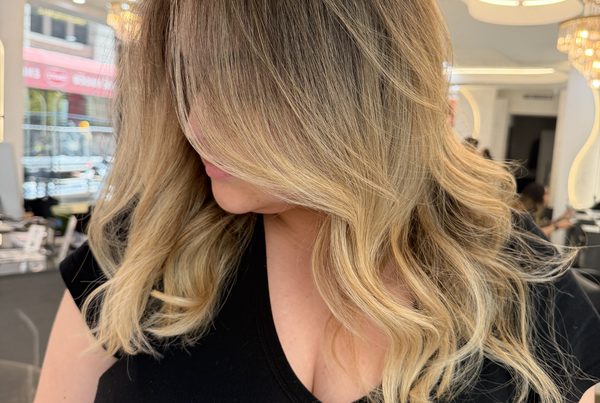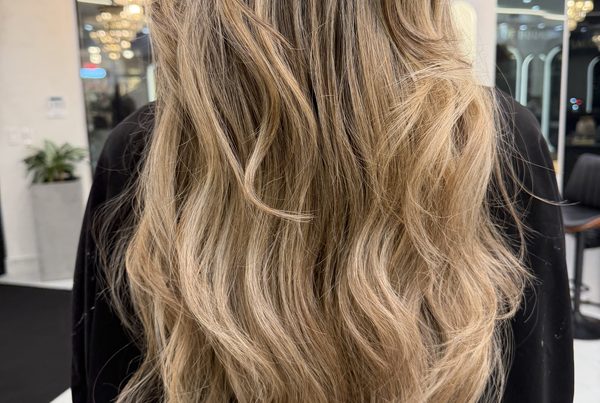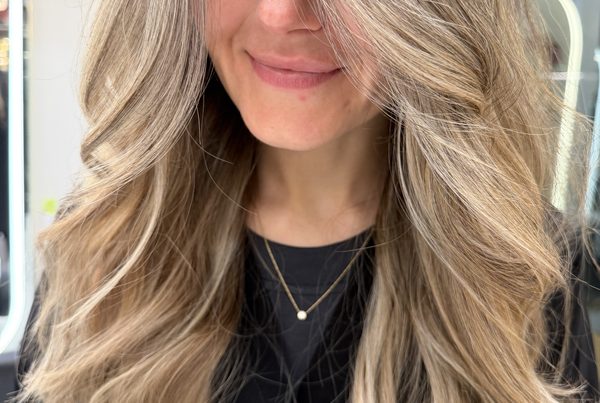
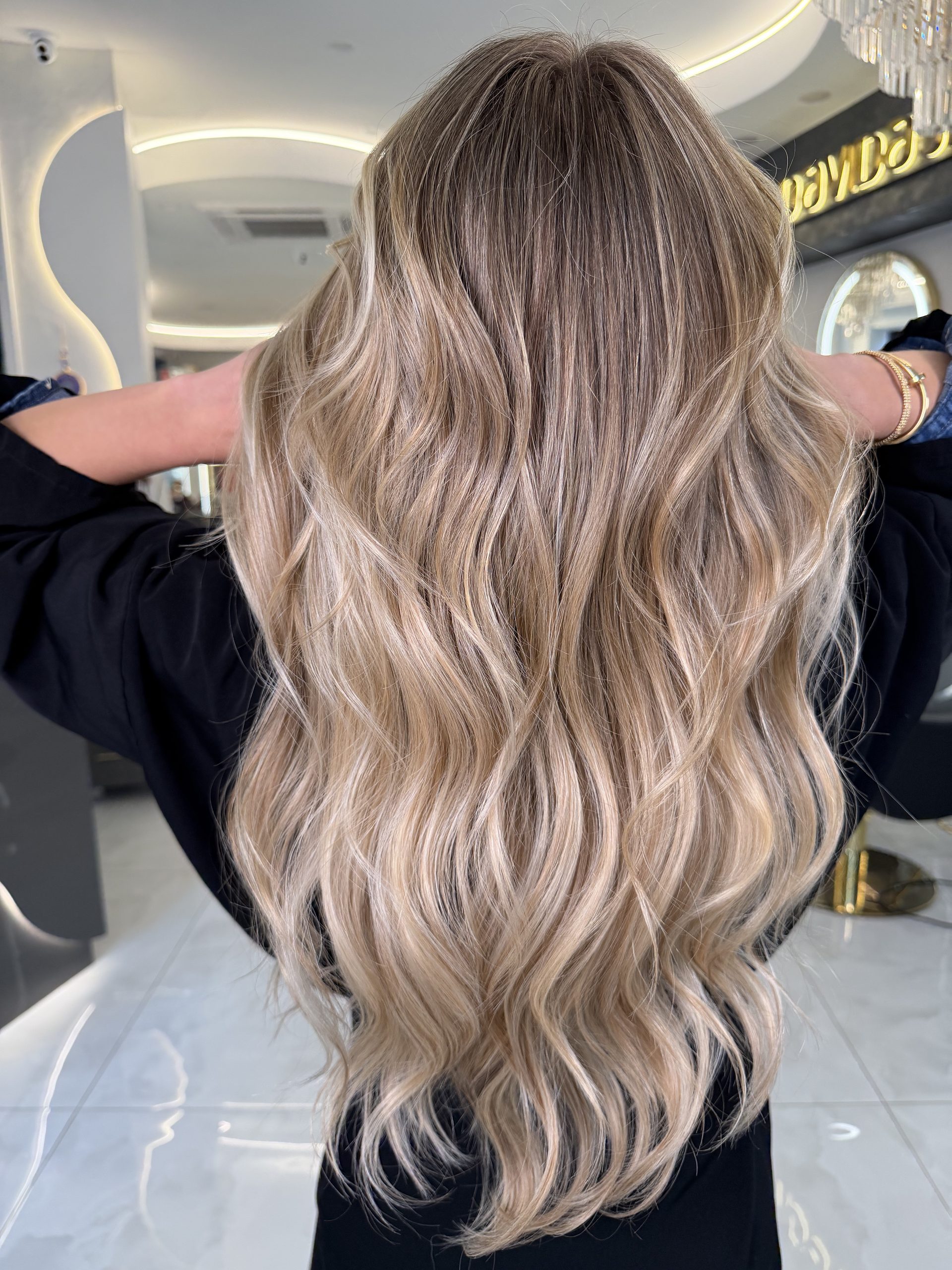
Almost nobody plans a color correction. It usually starts with a box of dye at 11pm, a shade that looked warmer on the packet than it does in daylight, or a color service somewhere else that did not land where it was meant to. By the time someone calls us, the hair is often two or three colors at once and they have already tried one thing to fix it. This guide explains what color correction actually involves, why it is the one service on our menu priced on consultation rather than a fixed rate, what to expect from the process, and the single most important thing to do in the meantime, which is usually nothing at all.
What Counts as Color Correction?
color correction is any service where the goal is to undo or rebalance existing color rather than simply apply new color on top. That distinction matters, because a standard color service works with what is already in the hair, while a correction has to work against it.
The situations we see most often:
- Brassy or orange tones: lightened hair that has shifted warm, either over time or because it was never toned properly in the first place
- Banding: visible horizontal stripes where multiple applications have overlapped at different times
- Hot roots: roots that came out noticeably warmer or brighter than the lengths, common with at-home application
- Box dye build-up: layers of permanent color that have accumulated, leaving ends much darker and more porous than roots
- Gone too dark: a shade that looked right in the box but reads flat or heavy against your skin tone
- Green or ashy casts: usually from toner over-deposit, mineral build-up, or chlorine on previously lightened hair
- Patchy grow-out: a previous color growing out unevenly, often alongside grey coming through at a different rate
Why color Correction Is Priced on Consultation
Every other color service on our menu carries a price range. color correction is the exception. On our hair services menu it is listed as upon consultation, with prices and details available on request at appointment, and that is not evasiveness. It is the only honest way to quote it.
The reason is that two clients can walk in describing the identical problem, brassy hair, and need completely different work. One may need a single gloss to neutralise tone, which is a short appointment. The other may have three years of box dye layered over previously lightened hair, which is a multi-session project. Nothing about the description tells you which one you are looking at. A stylist has to see the hair, assess its condition and porosity, and understand its full color history before a realistic quote or plan exists.
For context, here is where the standard color services sit, since some corrections resolve into one of these rather than a full correction:
| Service | What it does | Price |
| Color Gloss | Deposit-only tone and shine, no lift | $95 – $125 |
| Single Process, roots only | Grey coverage or root smudging | $95 – $150 |
| Single Process, whole head | One-process color root to ends | $155 – $185 |
| Single Process INOA | Ammonia-free permanent, great for grey | $100 – $165 |
| Double Process | color lifted out, then desired shade deposited | $245 – $325 |
| Color Correction | Undoing or rebalancing existing color | Upon consultation |
How to Fix Brassy Hair
Brassiness is the most common reason people search for color correction, and it is also the most likely to have a simple fix. When hair is lightened, warm underlying pigment is exposed. Toner neutralises it, but toner is not permanent, so as it fades that warmth returns. Add hard water, sun, chlorine, and heat styling, and it returns faster.
If the underlying lightening is even and only the tone has shifted, a gloss is usually all that is required. A color gloss is a translucent, deposit-only, semi or demi-permanent shimmer of color, and at $95 to $125 it is a far shorter and cheaper appointment than a correction. This is why it is worth having brassiness looked at rather than assuming the worst. Our guide to balayage vs highlights explains how different lightening techniques grow out, which affects how visible warmth becomes between appointments.
True correction becomes necessary when the lightening itself is uneven, when there are bands, or when permanent color has been layered repeatedly. Toner cannot fix a structural problem, it can only adjust tone.
What to Expect From the Process
The most useful thing to understand upfront is that color correction is often not a single appointment. Hair can only be safely processed so much in one sitting, and a stylist working responsibly will stage the work rather than push the hair past what it can take in a day. Being told your correction needs two or three sessions is a sign the stylist is protecting your hair, not upselling you.
- Consultation first: your stylist assesses condition, porosity, and color history, then explains what is realistic
- An agreed target: sometimes the shade you originally wanted is not safely reachable in one go, and a staged target is set instead
- Staged sessions: complex corrections are broken into appointments with recovery time between them
- Condition managed throughout: bond-building and conditioning treatments are built into the plan rather than offered afterwards
- A maintenance plan: corrections hold better with a gloss schedule, which your stylist will set out
What Not to Do Before Your Appointment
This section matters more than any other. The single biggest factor in how difficult, expensive, and lengthy a correction becomes is what happened between the original problem and the appointment.
- Do not apply another box dye over the top, since every additional layer makes the correction longer and harder
- Do not use a color remover or stripping product at home, which can leave the hair unevenly porous and unpredictable
- Do not attempt to bleach it yourself, particularly over permanent color
- Avoid purple shampoo as a fix for genuine banding, since it only affects surface tone
- Do not schedule a keratin or smoothing service until the color work is finished and your stylist advises it is safe
- Do bring photos of the color history, including what was used and roughly when
Being honest about what has already been on the hair is genuinely the most helpful thing you can do. Stylists are not judging the box dye, they need to know it is there because it changes how the hair lifts.
Protecting Hair Health Through a Correction
Correction work is demanding on hair, which is why condition is managed as part of the plan rather than as an afterthought. Our k18 treatment is a bioactive two-step in-salon service infused with the K18 Peptide, which mimics the natural structure of keratin building blocks so the hair recognises it as its own, and unlike traditional bonding agents it is not washed away by water or shampoo. It is $55. A Wella deep conditioning treatment is also $55, with hydrating, repair, color, and smooth options available.
One scheduling note worth flagging: if you are also considering a smoothing or keratin service, sequence matters. Our guides to keratin treatments and Magic Sleek versus Wella Smooth Filler cover those services, but the timing relative to a correction should be decided by your stylist, not booked independently.
Booking a Correction Consultation in NYC
Because pricing and timing both depend on seeing the hair, a correction starts with a consultation rather than a booked service slot. You can do this at either of our Manhattan locations: the Upper East Side salon at 1711 2nd Avenue, between 88th and 89th Streets, or our downtown salon at 820 Broadway, between 11th and 12th Streets near Union Square. You can read about our color team on the hair experts and stylists pages.
Frequently Asked Questions
How much does hair color correction cost?
color correction is priced upon consultation rather than at a fixed rate, because the work required varies enormously depending on the hair’s condition and color history. Some cases resolve with a gloss at $95 to $125, while complex corrections involving layered permanent color require multiple sessions. Your stylist will provide prices and details at the consultation.
How many sessions does color correction take?
It depends on the starting point. Simple tone corrections can be a single appointment, while hair with layered box dye or significant banding often needs two or more sessions with recovery time in between. Staging the work protects the hair rather than pushing it too far in one sitting.
Can I fix brassy hair myself at home?
Purple shampoo can help with mild surface warmth, but it cannot correct uneven lightening or banding. If the underlying lightening is even and only the tone has shifted, a professional gloss is usually all that is needed. Avoid box dye, color removers, or at-home bleach, as each of these makes professional correction harder.
Will color correction damage my hair?
Correction is demanding work, which is why a responsible stylist stages it and builds condition management into the plan. Bond-building treatments such as k18 at $55 and Wella deep conditioning at $55 are used to support the hair through the process.
What should I bring to a color correction consultation?
Bring as much color history as you can, including what products were used and roughly when, plus reference photos of the result you want. Being upfront about any box dye or at-home treatments is essential, because it directly affects how the hair will lift.
Book Your Consultation
If your color has gone somewhere you did not intend, the best next step is to stop and have it looked at before anything else goes on it. Contact us to book a consultation at either location, or call our Upper East Side salon on 212-722-5900 or our Broadway salon on 212-600-0777. Please call within 24 hours of your appointment if you need to cancel, to avoid a 100% cancellation fee.